
"forest coffee"
15000 article(s) found

Ethiopian Coffee Story which brand of Ethiopian coffee beans is good
Professional coffee knowledge exchange more coffee bean information please follow the coffee workshop (Wechat official account cafe_style) Starbucks, which has been the king of the world in recent years. To become a well-known fashion brand, in order to arouse the recognition of more consumers with the power of consumption, Starbucks proposed a commitment to the producing area of caffeine (Commitment to Origins; referred to as CTO) in 2003, and promoted

Coffee experts from all over the world focus on the protection and inheritance of ancient coffee forests
Professional barista exchanges, please pay attention to coffee workshop (Weixin Official Accounts cafe_style ) The first Yunnan Binchuan Zhukula Coffee Forum was held in Zhukula Village on the 17th. Coffee experts from the United States, France, India and Ethiopia focus on the inheritance and protection of the Jukura coffee forest and coffee culture and intangible cultural heritage, as well as the scientific development of the cultural brand of Jukura coffee. bin

Distribution of Ethiopian Coffee production how to make good Coffee in Ethiopia
Professional coffee knowledge exchange more information on coffee beans Please follow the coffee workshop (Wechat official account cafe_style) Coffee first discovered that the Kafa continent in southern Ethiopia was located in the place name Kaffa, and it was not officially named after Coffee until the 18th century. The geographical environment of Ethiopia is very suitable for coffee growth. nowadays, coffee is mainly grown between 1100 meters and 2000 meters above sea level. Now

Introduction to the production and processing of coffee beans in Ethiopia
Production and processing of coffee beans the geographical environment of Ethiopia is very suitable for coffee growth. Mocha coffee is mainly grown in the southern highlands between 1100 and 2300 meters above sea level. The main coffee producing areas are Harald (Harar), Limu (Limu), Djimma (Djimma), Sidamo (Sidamo), Kaffa (Kafa) and Yergacheffe (Yega).

Flavor and taste characteristics of ethiopian kafa forest coffee baraka cooperative washed beans
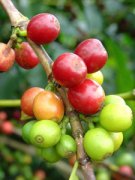
Professional coffee knowledge exchange More coffee bean information Please pay attention to coffee workshop (Weixin Official Accounts cafe_style) Ethiopian coffee producing area Caffa Forest Coffee Baraka Cooperative washed beans flavor and taste characteristics?■ Manor: Baraka Cooperative ■ Production area: Kafa Forest ■ Variety: Ethiopian native species ■ Treatment method: Washing cup test report: This is a model
Production and processing of coffee flavor of Ethiopian coffee beans
Ethiopia's geographical environment is very suitable for coffee growth. Coffee is mainly grown in the southern highlands between 1100 and 2300 meters above sea level. The main coffee producing areas are Harar, Limu, Djimma, Sidamo, Kaffa, Yergacheffe and Wellega. The soil drainage in these areas is good.

Introduction of Ted Manor in the Sidamo producing area of Ethiopia in the tropical forest at an altitude of 1600m to 1800m.
Ethiopia (Ethiopia, Ethiopia), latitude 6 to 9 degrees north. Tropical forests ranging from 34 to 40 degrees east longitude, 1600 to 1800 m above sea level. Ethiopia produces between 200000 and 250000 tons of coffee each year. Today, Ethiopia has become one of the largest coffee producers in the world, ranking 14th in the world and fourth in Africa. Essene

Ethiopian Kafa Forest introduces Ethiopian coffee flavor Ethiopian coffee
Professional coffee knowledge exchange more coffee bean information Please follow Coffee Workshop (Wechat official account cafe_style) from the most primitive wild jungle in Ethiopia, where coffee trees grow naturally under the protection of rainforest trees, and litter is the best natural organic fertilizer. Many

World Fine Coffee Beans: Ethiopia Pica Forest G2 Washed Arabica Introduction
The legend of a shepherd and coffee beans, coffee originated in the southwest of Ethiopia (Kaffa) plateau region, Arab shepherd Karl one day to drive sheep to the Ethiopian steppe grazing, found that sheep are particularly active, so found the fruit of coffee beans. Traceable and Fair Trade

Forest Bird Cafe is in Hong Kong.
Unskillful ForestBird coffee culture is in its infancy in Hong Kong, but it is not a problem to find a coffee shop, but the water preparation of coffee is often daunting, so you want to drink the best coffee, one is to find a good coffee shop, and the other is to buy it yourself. if you want to buy a coffee shop and have your own strength, it is natural to set up your own coffee shop.

Introduction of Cafa Forest in Ethiopia Solar original Coffee in Kafabita Manor, Ethiopia
For professional baristas, please follow the coffee workshop (Wechat official account cafe_style) Ethopia Kaffa Natural BITTA FARM G1 country: Ethiopia: Kafa altitude: 1900m-2000m treatment: sun grade: G1 varieties: original species of Ethiopia Kafabita manor sunburn G1 flavor description: dark chocolate aroma when grinding beans

Coffee shop design creative recommendation: Mori Cafe feels the beauty of green
Not long ago, the editor showed you the office in the forest. I don't know if it made you excited. At a time when the forest is becoming more and more popular, continue our creative experience. Let's try the Sen Cafe. There is such a creative forest party cafe in the Taipei Botanical Garden. The whole cafe is made of driftwood. Here we use sweet and sour floral and fresh fruit tea.

An in-depth understanding of the original intention of the establishment of Gesha Gesa Manor, an endless stream of 90 + boutiques.
In 2011, Ninty plus began developing a 500-hectare coffee farm in Gesha, Ethiopia, with a vision in mind: to produce the best coffee in the world. After a thorough search, according to strict altitude criteria (1900-2100 MASL), adequate rainfall, temperature patterns, rich virgin forest soil, old growing trees

Forest Cafe
Always feel that travel is a person's business, is to find their own process, and walking in the city, the best way to experience the fun of a person's travel.

Ethiopian Coffee Manor Regional Flavor description Taste processing Brand
Flavor description of Ethiopian Coffee Farm the geographical environment of Ethiopia is very suitable for coffee growth. Coffee is mainly grown in the southern highlands between 1100 and 2300 meters above sea level. The soil in these areas is well drained, slightly acidic and red loose. Currently, about 25% of the Ethiopian population depends directly or indirectly on coffee production for a living. Use tradition

Introduction to Blue Mountain Coffee Manor in Jamaica (2): Sherwood Forest Manor
Professional coffee knowledge exchange more coffee bean information please follow the coffee workshop (Wechat official account cafe_style) in 1728 the then British Governor Nicholas Lowe Sir Nicholas Lawes imported coffee from French Martinique Island to Jamaica. As the local climate was very suitable for growing coffee beans, Jamaica exported 83000 pounds of quality coffee nine years after its introduction.

A brief introduction to the flavor description and taste characteristics of Brazilian South Minas coffee in the tropical rain forest region
At present, there are 2 million hectares of land in Brazil for growing coffee, the largest of which is Arabica. These beans will eventually be sent to large bakers in various countries, known as Sandos (in the name of the port of export santos, not the producing area). Because of the coffee competition after 2000, the quality of coffee beans produced in the high-altitude regions of the south was appreciated by its Minas.

Introduction to Guixia Village, Ethiopia| What kind of breed is Guixia Village and how to classify it
In Ethiopia's far west, just a few kilometres from the border with South Sudan, lies the dense jungle of Bench Maji. It is a place of breathtaking natural beauty where the plateau extends into a vast ancient forest. This breathtaking view is home to the Ghirshavn Coffee Estate, which Adam Overton once visited.
Boutique coffee beans the latest Ethiopian coffee introduces unique flavor and full taste
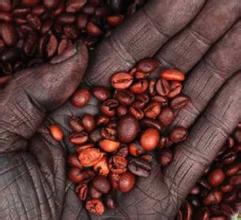
Ethiopia's geographical environment is very suitable for coffee growth. Coffee is mainly grown in the southern highlands between 1100 and 2300 meters above sea level. The main coffee producing areas are Harar, Limu, Djimma, Sidamo, Kaffa, Yergacheffe and Wellega. The soil drainage in these areas is good.

Detailed introduction of the method of Variety treatment in African and Ethiopian Coffee producing areas
Ethiopia, also known as Ethiopia, is a landlocked country located in the Horn of Africa and the most populous landlocked country in the world. Ethiopia is revered as the birthplace of coffee-Arabica (Arabica), with rich native varieties and a wide range of genetic sequences, many of which can not be found in other countries. Most of Ethiopia's coffee is made of